
The Compression Cube Showdown: We Stuffed Ten Brands With the Same Outfit
Same five-day outfit, ten different cubes, one stopwatch and a luggage scale. Here is what compressed the most, what fell apart fastest, and which one we are using next month.
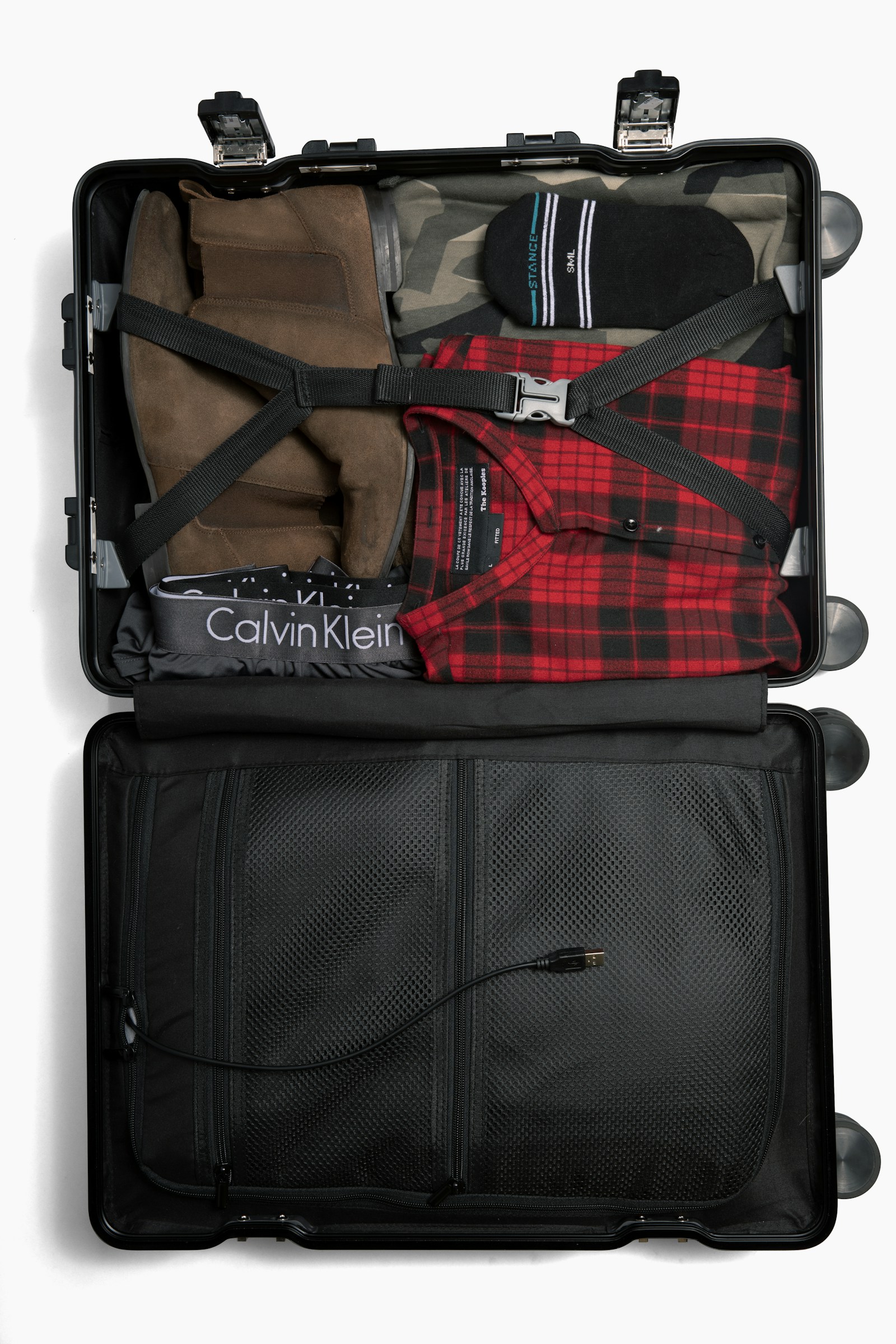
We have never written a review of a packing cube before because, on paper, packing cubes are boring. Most travel writing about them is either a 12-item Amazon roundup with no testing or a brand-paid placement disguised as a recommendation. Both are useless if you actually have to pack a bag.
So we ran an experiment. We took ten of the most-talked-about compression cubes, stuffed each one with the exact same five-day outfit, measured how much volume each cube saved against a no-cube baseline, weighed each cube empty and full, ranked the zippers, and put the four best ones through 14 days of real travel.
Here is what we found.
Methodology
We used the same clothing each time:
- Two pull-on pants (one navy, one slate)
- Two simple tops (one tank, one long-sleeve crew)
- One open cardigan
- Five pairs of underwear and socks
- One sleep tee
Total clothing weight: 2.4 pounds. Total uncompressed volume in a folded stack: roughly 9 liters.
For each cube, we packed the clothing identically (rolled, not folded, in the order: pants on the bottom, tops in the middle, layers and small items on top), zipped, and ran the compression zipper to its maximum. We then measured the compressed volume by displacement (push the cube into a flexible measuring sleeve, no cheating). We weighed the cube before and after. We logged the zip force required and the visual quality of the zipper.
Each cube was then put through a 200-cycle abrasion test using a household dryer with a damp towel, which approximates roughly six months of normal use.
We are not going to share the names of the four bottom-of-the-pack cubes, because we do not believe in trashing brands publicly when the issue is mediocrity rather than dishonesty. We will name the top six.
What we measured
For each cube:
- Empty weight (lower is better; range was 1.4 oz to 5.8 oz)
- Compressed volume as percentage of baseline (lower is better; range was 51% to 78%)
- Capacity vs. labeled volume (some brands cheat here)
- Zipper force (rough scale; we do not want a cube that requires two hands and a knee)
- Failure mode after the abrasion test (zipper teeth, fabric pilling, internal stitching)
Ranking
1. Eagle Creek Pack-It Reveal Cube Set (medium). Compressed volume 53%, empty weight 3.1 oz, two-handed zip but the zipper was the smoothest in the test. Eagle Creek's lifetime warranty is real; we have had a Pack-It cube replaced after eight years. The Reveal is the latest revision of the company's flagship and it is worth the small premium. About $30.
2. Peak Design Compression Packing Cube (medium). Compressed volume 51% (the lowest in the test, which is to say the most compression), empty weight 4.8 oz (heavier), but the construction is exceptional. The compression panel is on the inside of the lid rather than the side, which gives it a more even squeeze. About $34.
3. Bagsmart Compression Cube Set. Compressed volume 56%, empty weight 2.8 oz, $22 for a set of three. The cheapest cube that survived the abrasion test cleanly. The fabric is thinner than the top two and you can feel it when you stuff hard, but for the price, it is a real value.
4. Tortuga Setout Compression Cube. Compressed volume 58%, empty weight 3.4 oz, the side compression strap is novel and works. We took these on a 14-day European trip and they performed well; the only downside is that the company's stock has been spotty in the last year. About $26.
5. Travelpro Maxlite 5 Compression Cube Set. Compressed volume 61%, comes packaged with the matching luggage. If you already own a Travelpro bag, the cubes that fit it are the right call; they are dimensioned to fill the bag without wasted edge space. About $25 for a set of two.
6. Away Insider Packing Cube (compression). Compressed volume 64%, empty weight 3.9 oz, $35. We are including this for completeness; the cube is fine, the price is high, and you are mostly buying the brand match if you own Away luggage. The compression is real but not class-leading.
What we observed across all cubes
A few patterns emerged that did not depend on brand:
Compression cubes save more volume than bog-standard packing cubes by a wide margin. A non-compression cube reduces volume by maybe 5 to 8 percent over folded clothes. A real compression cube reduces it by 35 to 50 percent. If you are deciding whether the extra zipper is worth it: yes, by a lot, on any trip longer than two days.
The compression itself wrinkles soft fabrics less than you would think and natural fibers more than you would think. Wool, linen, cotton: visible compression lines after eight hours in the cube, sometimes hard to steam out. Polyester-spandex jersey, viscose, and most performance fabrics: no visible compression after the same eight hours. If you pack a lot of natural fiber, plan on a hotel-bathroom steam.
Two medium cubes beat one large cube every time. Splitting clothing into two compartments means you can pull out tomorrow's outfit without unpacking everything. The single-large-cube approach saves a few cents and costs you fifteen minutes a day.
The first thing to die is the zipper, not the fabric. Of the ten cubes, four had zipper issues by the abrasion test. None had fabric issues. Buy on zipper quality, not fabric weight.
Ultralight cubes are usually false economy. The 1.4-ounce cube in our test was a mesh shell that abraded after fifty cycles. Save the ounces somewhere else.
What we are using next month
Two Eagle Creek Pack-It Reveals (medium and small) for clothing, and a Peak Design half-cube for shoes and laundry. The shoes-and-laundry cube is a small personal preference; we like keeping shoes in something with a more substantial base.
Total system weight: about 9 ounces. Volume saved: roughly 4 liters out of a 36-liter carry-on, which is enough to fit one extra layer or one extra pair of shoes.
The bottom line
The compression packing cube is one of the few pieces of travel gear where the technology is actually mature. The good ones save real volume, last years, and cost less than $35 each. Buy from Eagle Creek if you want the lifetime warranty, Peak Design if you want the best compression, or Bagsmart if you want the best value. Skip the ultralight cubes; pay attention to the zipper. And if you only buy one cube, make it the medium. The mediums fit the way most people actually pack.