
How to Sleep on a Red-Eye Without Wrecking the Next Day
Eight tactics that work, two that do not, and one piece of gear that is worth the money even if you only fly two red-eyes a year.
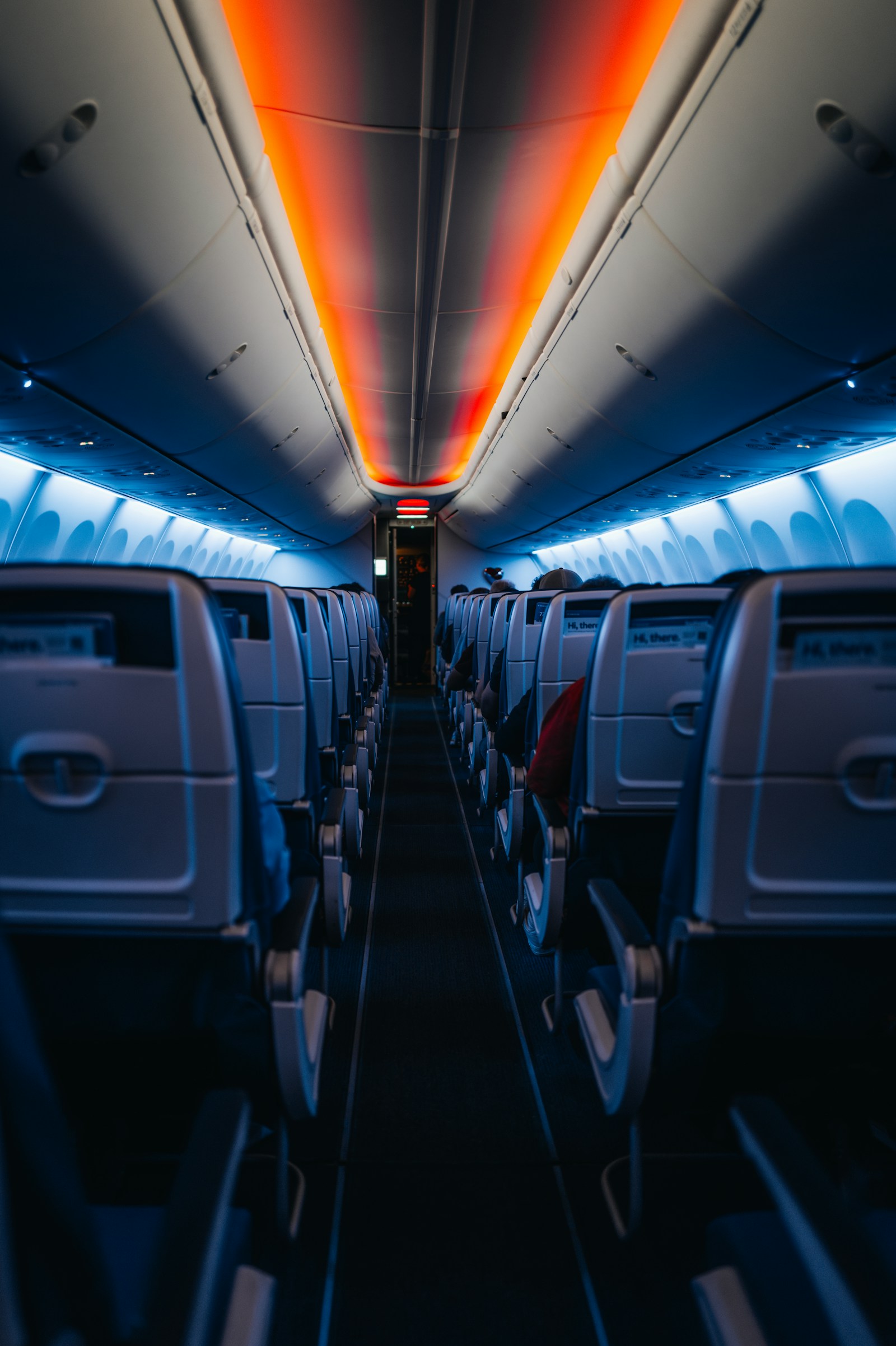
The red-eye is a strange piece of human engineering. You sit upright in a chair the size of a dishwasher, in a cabin lit like a hotel hallway, with a stranger's elbow eight inches from yours, and you are expected to wake up six hours later refreshed enough to sit through a meeting. The math obviously does not work, but the math has to work, because the alternative is taking the day flight and giving up your weekend.
We have flown a lot of red-eyes. Below is what we have learned about getting actual sleep on them, in roughly the order you should think about it. Most of what works is unglamorous. Most of what does not work is the stuff people sell you.
What we are optimizing for
Not "feel rested." Be honest. The realistic goal of a red-eye is "do not wreck the next day." A 90-minute deep sleep block is a win. Two 45-minute naps is a win. Five hours of unconsciousness with nothing to show for it is also a win. We are not chasing eight hours.
The thing that wrecks the next day is not lack of sleep. It is dehydration, caffeine debt, and waking up in transition mode at the wrong moment. Most of the tactics below address those three things, not the sleep itself.
Pick the right seat first
Sleep starts at booking. The seats that produce the most sleep, in our experience, are:
- A window seat behind the bulkhead row in economy, on the side of the plane that gets the rising sun on its OPPOSITE side. East-bound flights from the U.S., that means the right side of the plane (window on the left will get sun in your face two hours before landing).
- Any aisle seat in a row of two, especially on a 757 or A321. You can lean against the wall of the aisle and your seatmate has only one direction to climb over you.
- Any seat in a row that is empty next to you. Worth checking the seat map an hour before boarding and switching if you can.
The seats that wreck sleep are: anything near the lavatory, exit rows (cold air pours onto your shins all night), and the second-to-last row of any cabin (galley clatter starts when the crew preps for landing).
Eat a real dinner before the flight, do not eat on the plane
This is the single biggest leverage point and almost no one does it. The meal service on a red-eye runs from forty minutes after takeoff until about ninety minutes in. Eating a heavy plane meal means you cannot fall asleep for at least an hour after that, and the food itself is not worth staying up for. Eat a real meal in the airport, get on the plane already tired, and pass on the meal service. You will lose two hours of awake time.
If you must eat on the plane, eat the snack, drink water, skip the alcohol. Which brings us to:
Skip the wine
Alcohol on a plane is a trap. It puts you to sleep in twenty minutes, then wakes you up at hour three of a six-hour flight when your body is metabolizing it, and now you are awake at 2 a.m. local time at altitude. We have run this experiment in both directions and the alcohol always loses. If you need help winding down, drink a chamomile tea (most carriers have it) or take a melatonin two hours before boarding, not on the plane.
Wear the right clothes
The cabin is going to be cold for the first three hours and warm for the last two. The right outfit is something you can put a layer on and take it off without standing up. A soft pull-on pant, a layered top, and an open cardigan or zip jacket is the math. Anything with a structured waistband, a metal closure, or a pocket-stuff-pattern that digs into your hip after twenty minutes is the wrong call.
Shoes off, slip-ons. If you wear lace-up sneakers on a red-eye, you are signing up for thirty seconds of awkwardness in the dark.
The one piece of gear that is worth the money
A real eye mask. Not the silk one from the airline. A contoured eye mask with a hollow over the eye socket so your eyelids can move. Mack's Dreamer Pro is what we use; the molded ones from Manta are also good. They block 100% of light, which is the only useful threshold. A 90% blocker is the same as no blocker as far as melatonin production goes.
A real eye mask costs $20-30 and lasts years. It is the highest-leverage gear purchase in travel.
What does not work
A few things sold heavily that we have not seen produce real sleep:
The neck pillow. A foam horseshoe held under the chin. It produces a position of the head that kinks your neck and prevents deep sleep. The exception is the inflatable type that supports the side of your head against the window; we have seen those work for some people. The standard foam horseshoe is a $40 placebo.
Compression socks for sleep. Compression socks help with circulation on long flights, which is a different problem. They do not help you fall asleep. We mention this because they are bundled with sleep kits in airport stores, which is a marketing artifact, not a sleep aid.
Noise-canceling earbuds for the whole flight. Active noise canceling is great for the takeoff and the first hour, but the silence becomes weirdly oppressive after a while and the earbuds press into your ear when you sleep on your side. We use foam earplugs from the second hour onward and pocket the earbuds.
Big melatonin doses. Most over-the-counter melatonin in the U.S. is overdosed by a factor of 5-10x what your body actually needs. 0.5 to 1 milligram, two to three hours before you want to be asleep, works better than the standard 5 mg pill taken at boarding. The 5 mg dose tends to give people a hangover, which is the next-day-wreck you were trying to avoid.
A simple six-step protocol that works for us
If you want a script:
- Drink 16 ounces of water in the airport, no caffeine after 3 p.m. local.
- Eat a real dinner in the airport, not on the plane.
- Take 0.5-1 mg of melatonin 90 minutes before takeoff.
- Board, take off, decline the meal, decline the wine.
- Eye mask on, foam earplugs in, recline as far as you can without bothering the row behind, blanket up to the chin.
- When you wake up before landing, drink another 16 ounces of water and skip the breakfast service. Eat a real breakfast in the destination airport on the way out.
The bottom line
Most red-eye advice is gear-list maximalism. Real sleep on a plane is mostly about the things you do not do: do not eat the meal, do not drink the wine, do not buy the foam horseshoe, do not megadose melatonin. Buy a real eye mask. Pick a window. Eat dinner first. The next morning will be merely tired instead of wrecked, which is the entire goal.